Head north to a region that inspires artists and outdoor enthusiasts alike. 

Northern New Mexico includes some of the state’s most historically and geographically varied areas. The high-desert landscape shifts noticeably with changes in elevation, moving from alpine forests and ski slopes to arid plateaus and canyon basins. Within this region’s 12,000-plus square miles, visitors will find small towns, active Puebloan communities, and access to outdoor recreation and cultural landmarks tied to centuries of Indigenous presence.


Taos & Taos Ski Valley

Taos pulls from a mix of Pueblo, Spanish, and pioneer histories that have shaped the town over time. The downtown area features adobe architecture and is home to galleries, shops, and restaurants clustered around its central plaza. Just outside town, Taos Pueblo remains one of the oldest continuously inhabited communities in the country, with several multi-story adobe structures still in use. Nearby, Taos Ski Valley offers top-notch downhill skiing in winter and access to high-elevation hiking trails during the warmer months.

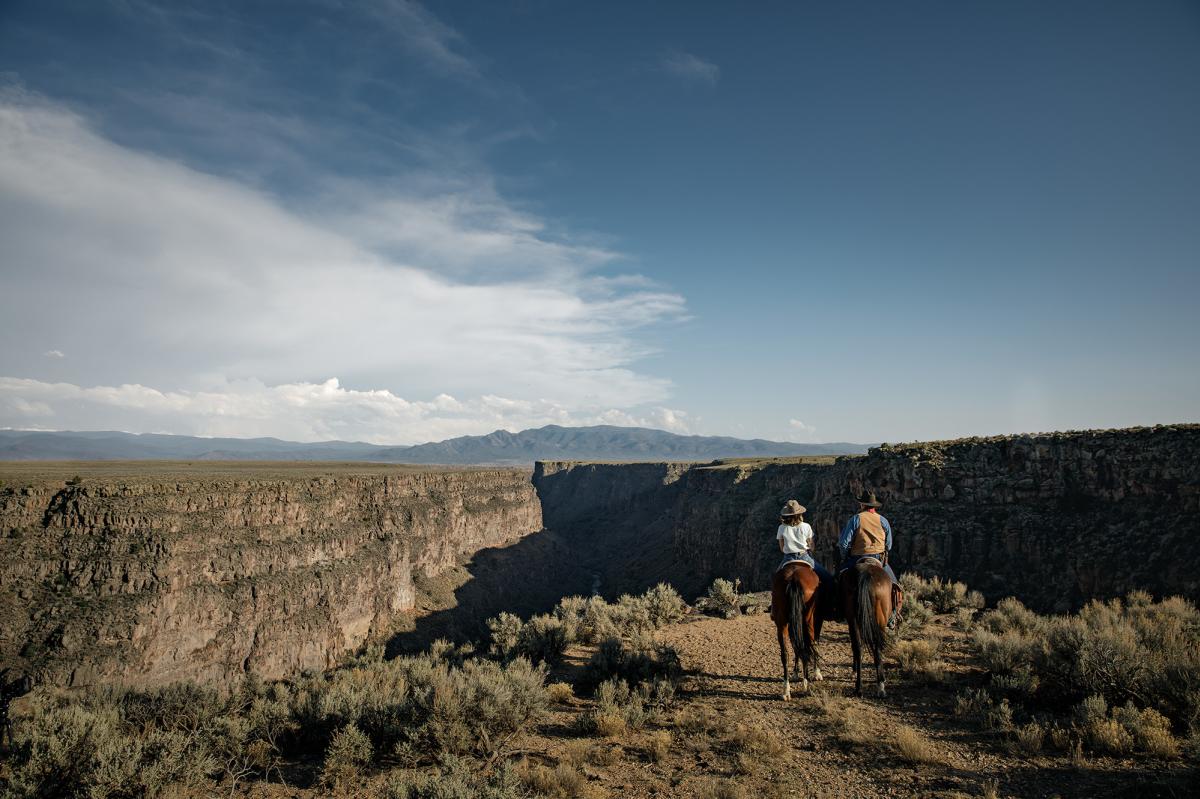
Two people on horseback overlooking a large gorge with mountains in the distance

The Enchanted Circle

Encompassing an eighty-three-mile loop circling Wheeler Peak, the byway winds through five geographically significant towns and distinct landscapes. Drive north out of Taos towards the village of Questa for trout fishing and high-elevation scenic views. From there, continue on to the town of Red River for more outdoor escapades and live performances year-round. As you continue south, the village of Eagles Nest greets you with its magnificent lake and small-town vibes, before heading on towards Angel Fire. Angel Fire is well-known for its mountainous terrain, perfect for snowbound adventures and summertime hikes. Head west to complete the byway loop at its origin in Taos!

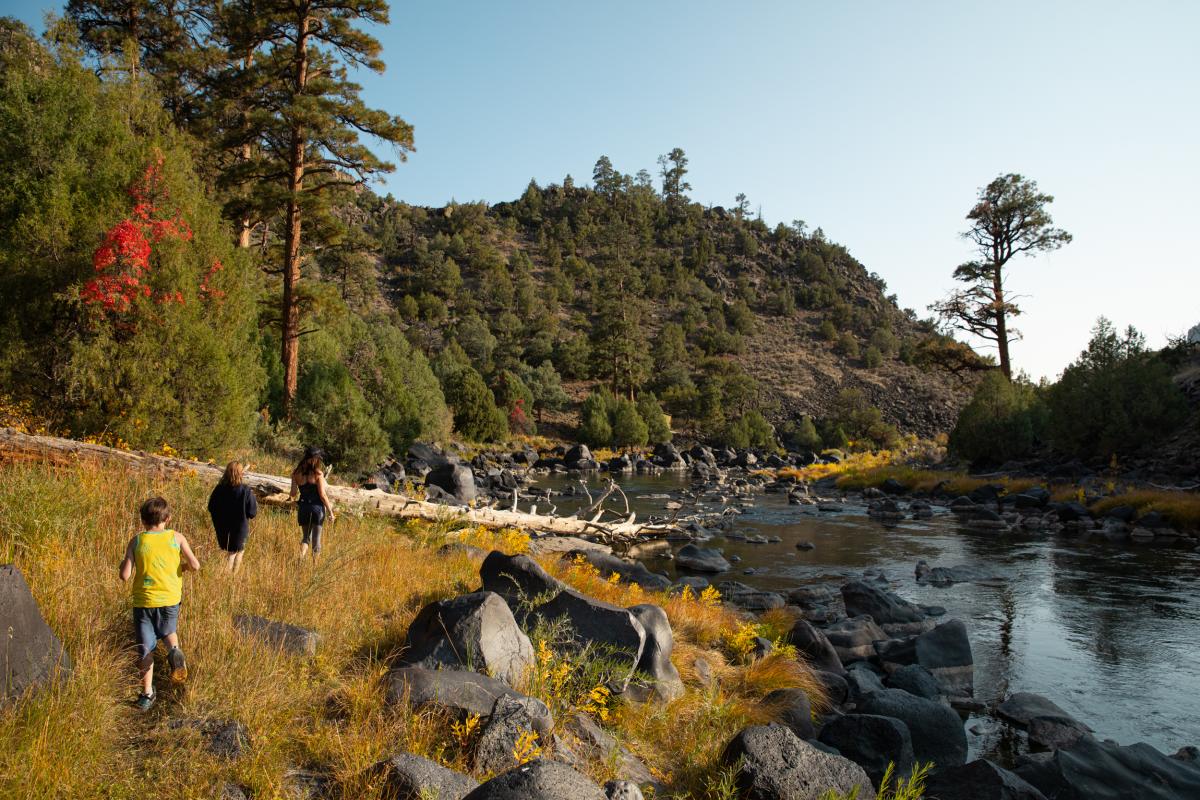
Three people walk through yellowed grass next to a small river by a tree covered hillside.

Santa Fe

Santa Fe (New Mexico’s state capital) places culture at the center of daily life. The Georgia O’Keeffe Museum highlights the work of one of the United States’ most accomplished painters, while SITE Santa Fe focuses on contemporary art exhibitions. Canyon Road is lined with dozens of galleries and studios where guided visits can help make the most of your visit. At the Plaza, Native artisans continue to sell jewelry under the portal of the “Palace of the Governors”—in continuous use since the 17th century and now home to the New Mexico History Museum. Lodging options in the area include many independently run hotels within walking distance to all the action.

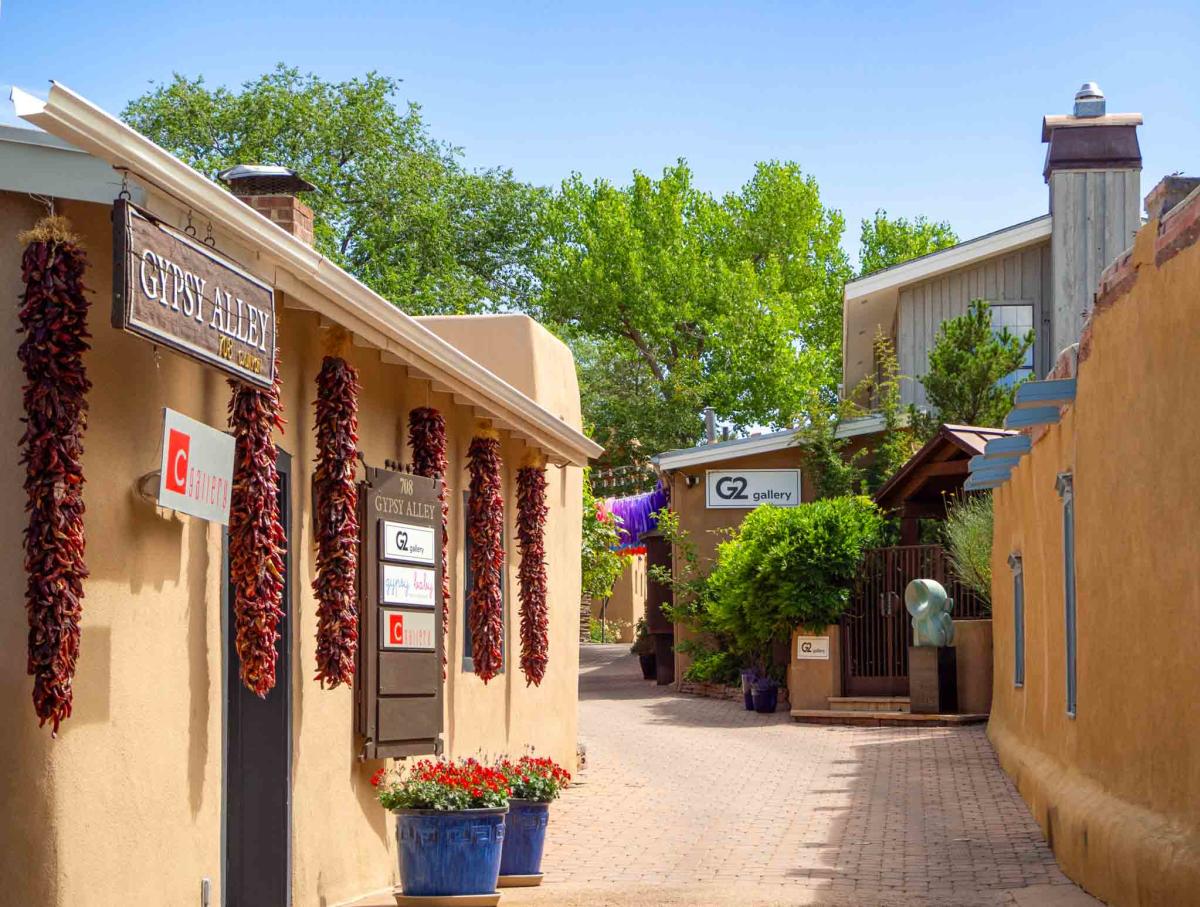
View of a sunny street in Santa Fe, featuring traditional adobe architecture adorned with hanging chili ristras. Signs indicate locations such as "Gypsy Alley" and "G2 Gallery." Flowerpots add colorful accents along the pathway.

Abiquiú

Georgia O’Keeffe lived and worked in Abiquiú, incorporating the surrounding cliffs and plant life into many of her paintings. Ghost Ranch sprawls across multicolored badlands where paleontologists still dig up dinosaur fossils. The Chama River cuts through it all, with a respite that draws artists and anyone seeking the same tranquility O'Keeffe once found here.

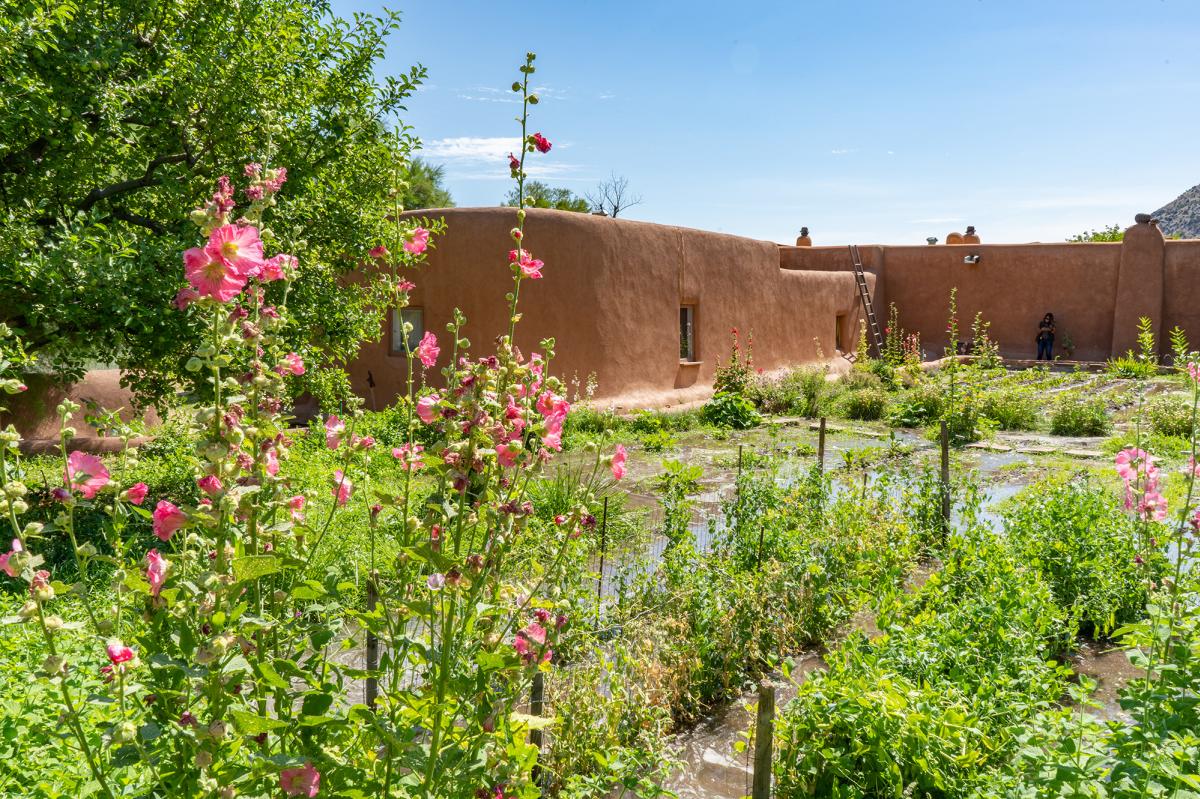
View of a lush garden with blooming pink roses in the foreground, and traditional adobe buildings under a clear blue sky in the background.

Chimayo

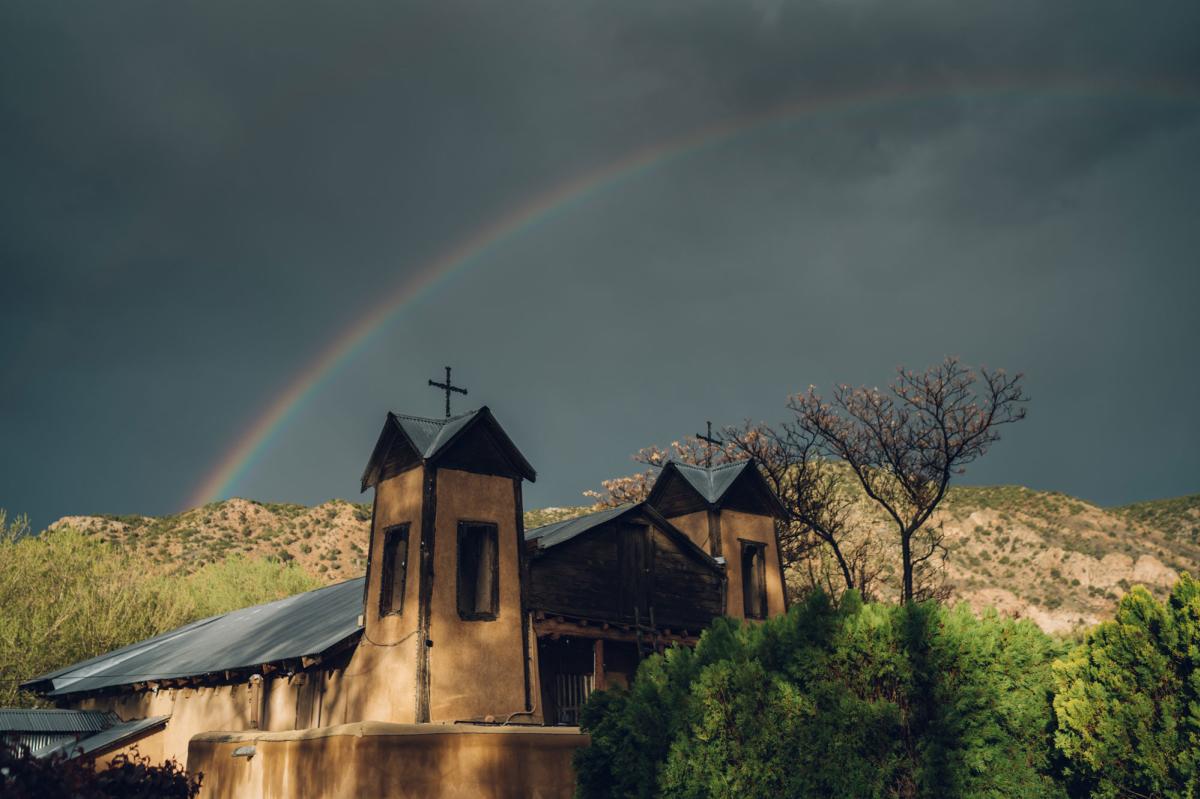
The village of Chimayo is known for its longstanding history of traditional Chimayo weaving and the healing powers of El Santuario de Chimayo. Settled in a valley within the Sangre de Cristo Mountains, Chimayo is a charming town with beautiful views, amazing art, and deep-rooted culture.

A rainbow arcs over a traditional adobe church with two steeples, both with crosses on top

Ojo Caliente

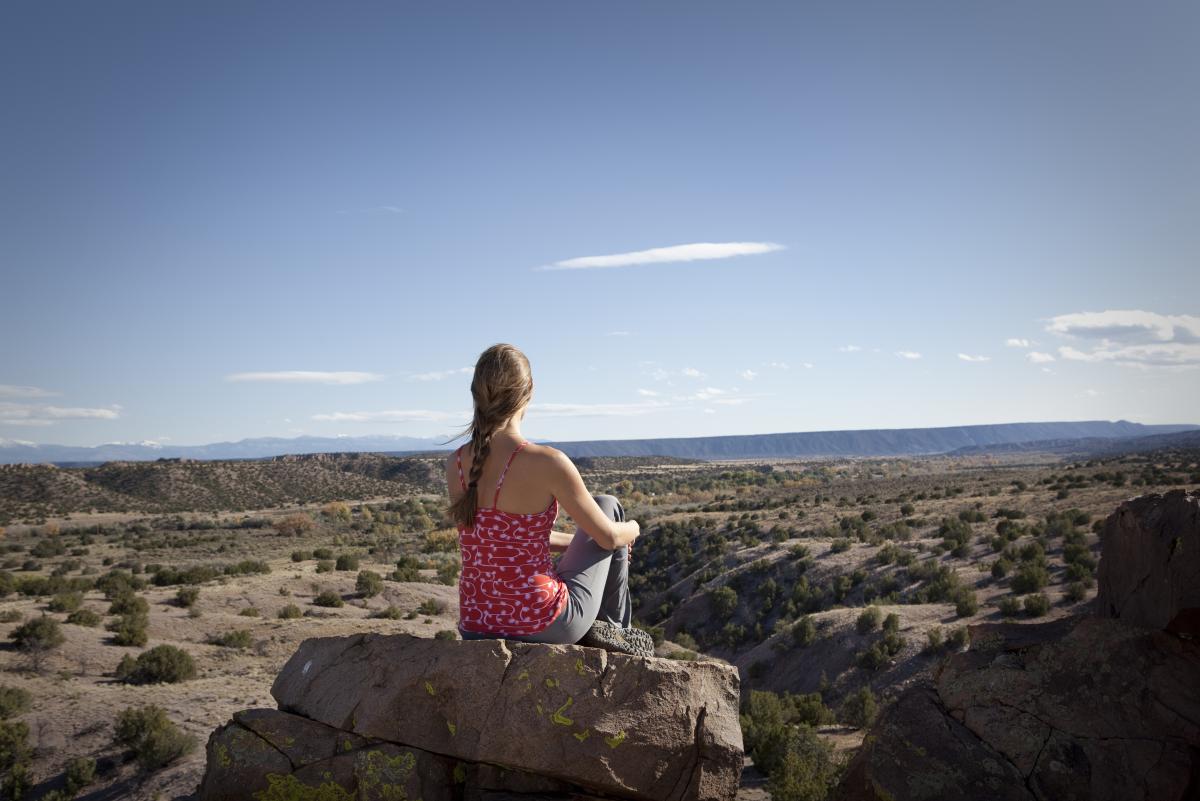
Natural hot springs have bubbled up in Ojo Caliente for thousands of years, making it one of America's oldest health resorts. Five different mineral pools (with varying temperatures) are popular for their healing properties. History lovers will appreciate the cliffside trails that lead to ancient ruins and petroglyphs; however, you might have to ask a local for directions on how to find them!

A person sits on a rock overlooking an expansive desert landscape

Los Alamos

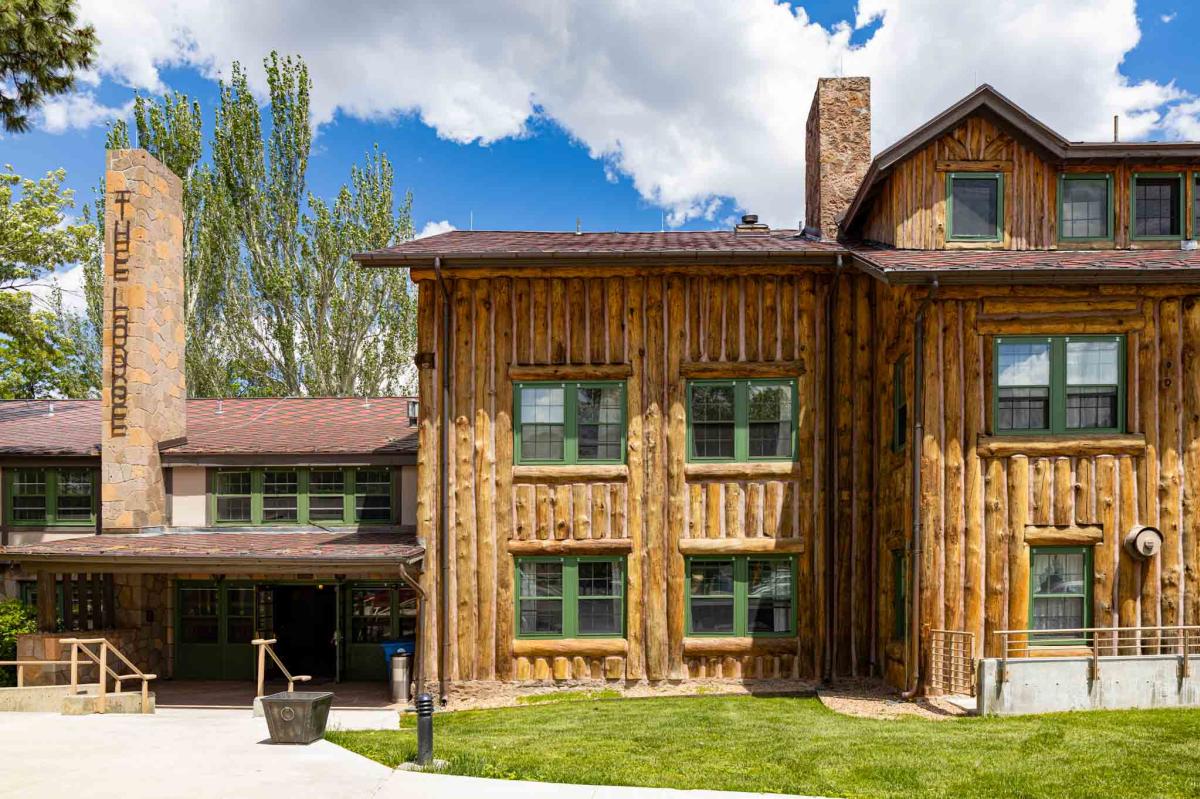
Los Alamos is best known for its role in 20th-century scientific research, but the area also holds evidence of much earlier action. Here you can visit cultural landmarks like the Bradbury Science Museum, the Los Alamos History Museum, and the Manhattan Project National Historical Park. Nearby, Bandelier National Monument preserves the remains of Puebloan cliff dwellings worth exploring.

Exterior view of The Lodge, a rustic building with log construction and a prominent stone chimney under a cloud-filled sky. Green grass and trees surround the structure.

Nambé Pueblo

Just north of Santa Fe, Nambé Pueblo sits along the Nambé River, where the land has supported agriculture for generations. The community is renowned for its silverwork, which is often sold through small markets and artist cooperatives. Public events and ceremonial dances continue to play a central role in this area. Visitors can also access the Nambé Falls Recreation Area, which includes designated spots for hiking and swimming.

Logo of Nambe O-Ween-Ge featuring a stylized depiction of a traditional adobe structure surrounded by geometric patterns and green corn stalk motifs.

Chama

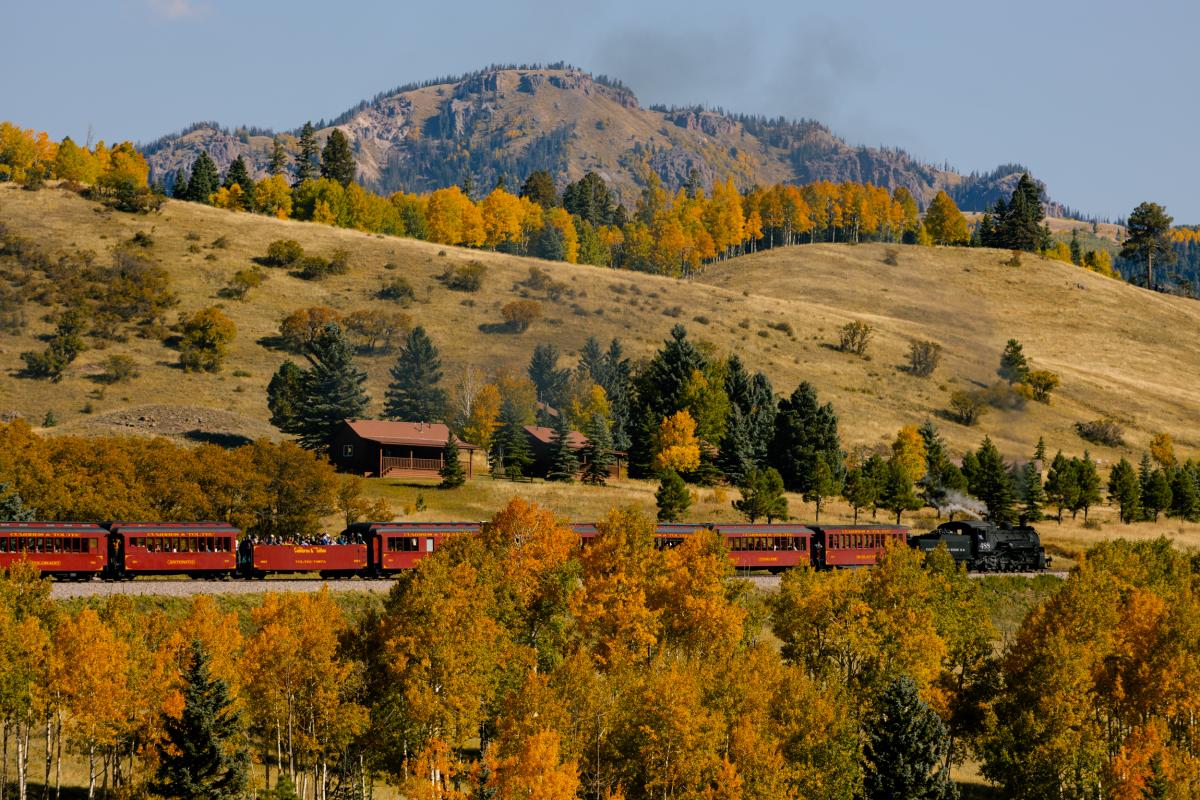
Chama is best known for the Cumbres & Toltec Scenic Railroad, which runs on 19th-century train tracks through sections of the San Juan National Forest. The steam-powered route climbs toward the Continental Divide, passing through Toltec Gorge and over several high-altitude trestles. Check out Fina’s Diner for some fantastic breakfast burritos before you board! 

A black steam engine locomotive with red train cars travels down the tracks surrounded by hills, mountains and yellow and green foliage on the trees

Española

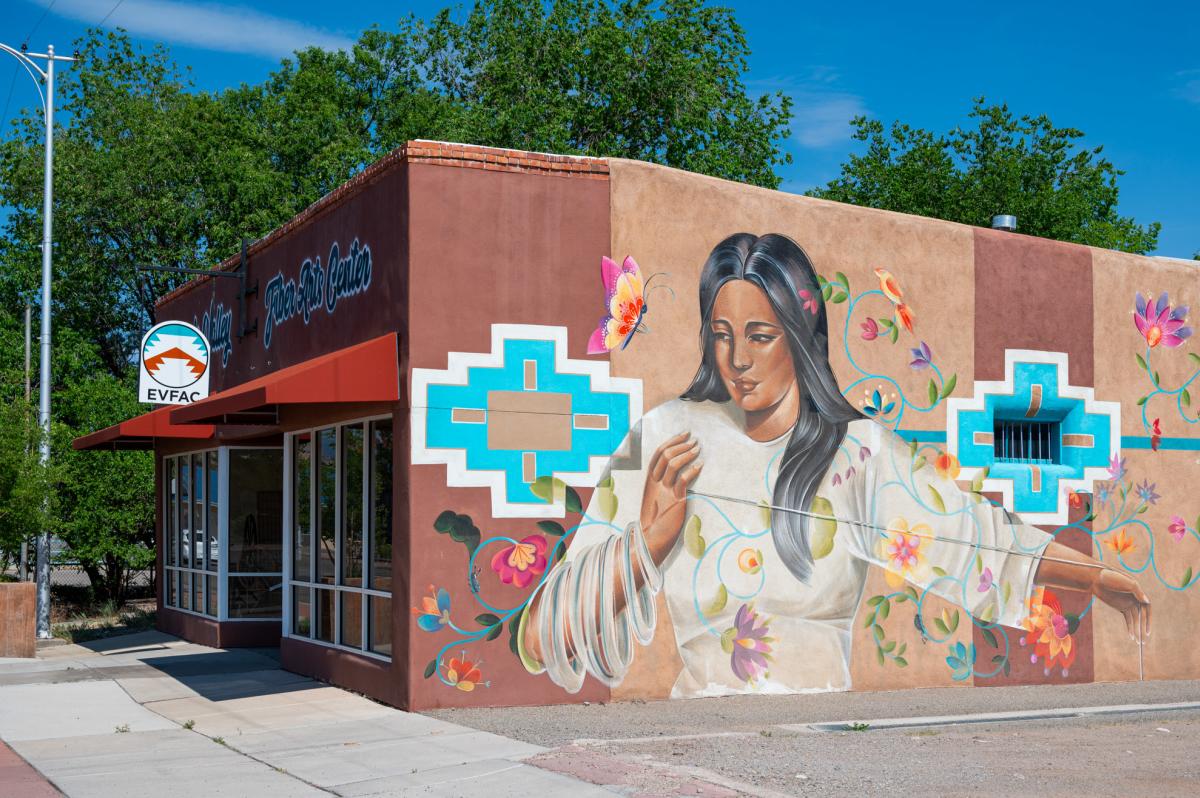
Española is closely tied to Northern New Mexican cuisine, especially the red chile cultivated throughout the nearby valley. The town is also known for its Lowrider car culture, visible during weekend meetups and parades. Visitors can learn about local crafts at the Española Valley Fiber Arts Center or make a short drive to see petroglyphs along the Puye Cliffs at Santa Clara Pueblo.

Mural of a person with long hair wearing traditional attire on the side of the Espanola Valley Fiber Arts Center in a sunny setting. The mural features bright floral designs and geometric patterns.

North Central Region Attractions

North Central Cities, Towns, Villages & Pueblos